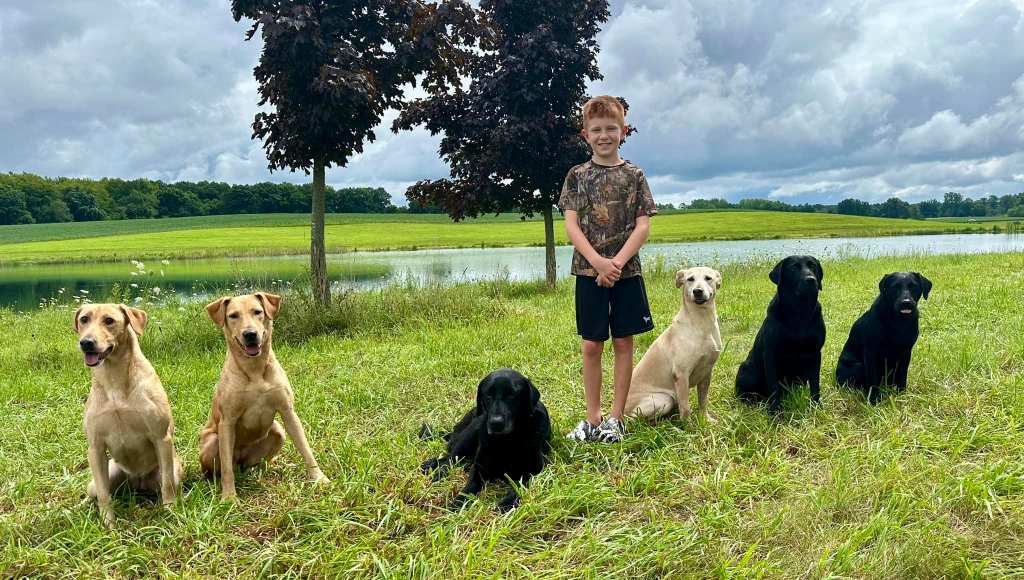
Where they came from, where they’re going, and everything important you need to know about them!
Hey y’all! I’m Cally with Antebellum Kennels and I’m glad you’re here!
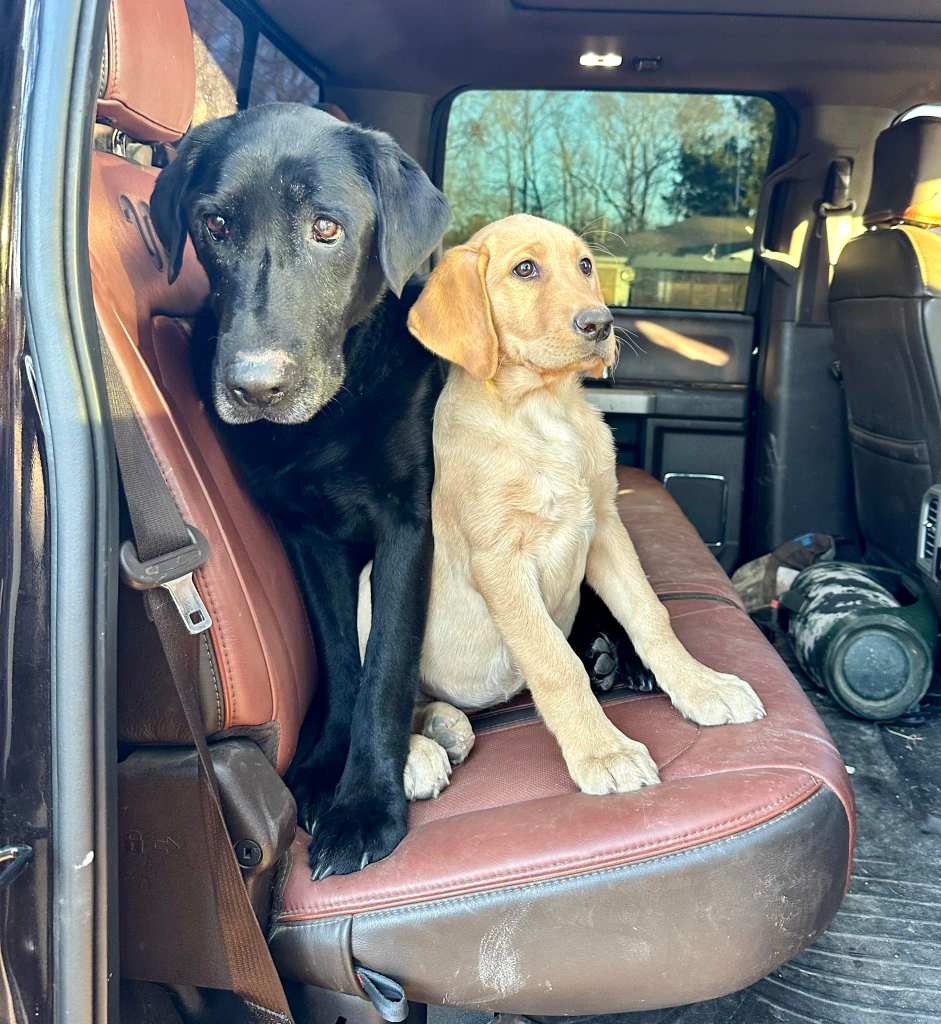

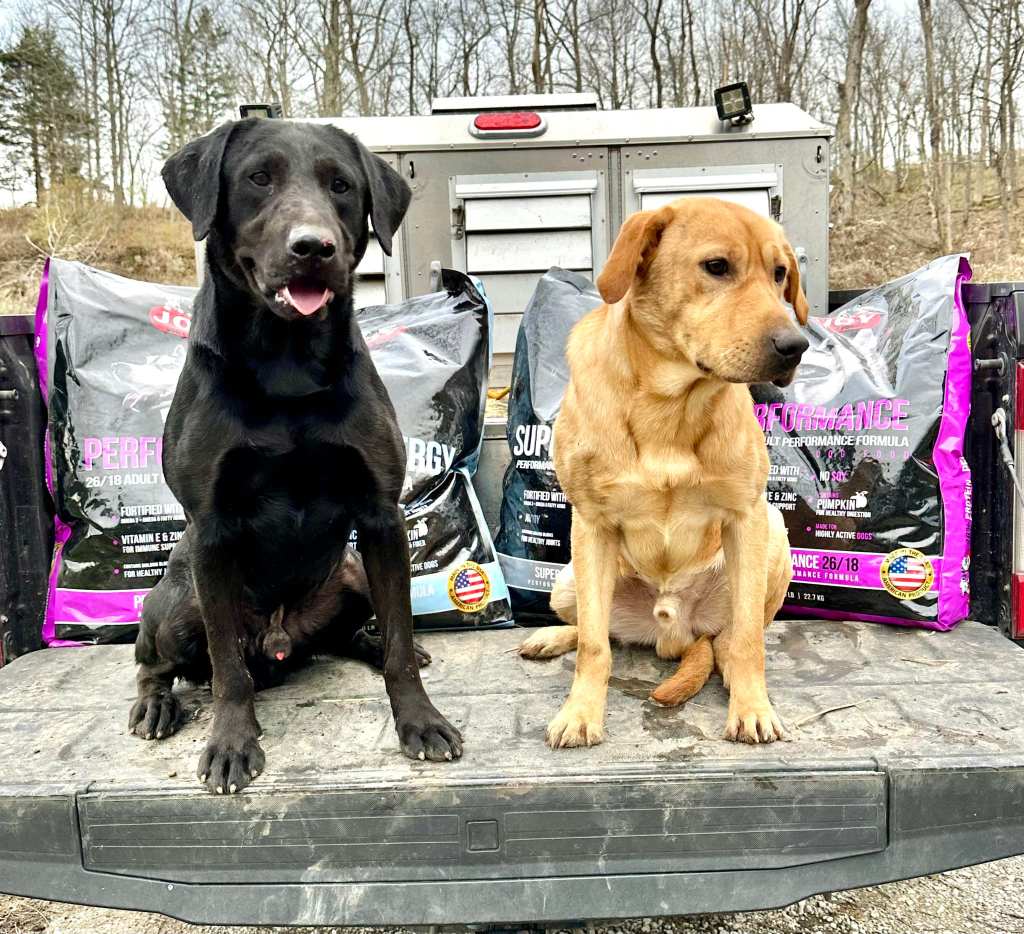
I love combining things that I’m passionate about and in this post, I’m combining my infatuation with history and my obsession with Labrador Retrievers. More specifically, well-bred Labrador Retrievers. And please don’t get me wrong and assume that I only like the really expensive ones. I do, most definitely, but my appreciation for the breed is based on the standards created at their inception in the 1830’s. They do not have to be expensive to be bred correctly.
Just like most breeds, they had to start somewhere. So as perfect as I find the Lab to be, it wasn’t originally created during God’s week of big banging the universe together. He gave us the privilege of creating this perfection by handing us heritage breeds to choose from and the good sense to know that if we breed certain qualities together that we like, we’ll end up with genetics that can last centuries.
We can thank the British Aristocracies love for hunting and the outdoors with the first labs. In the 1830’s trading ships brought St. John Waterdogs (also known as the lesser Newfoundland) from the Newfoundland region in the Canadian area to Britian. This breed was revered for its love of the water, especially their tolerance for the frigid conditions the region is known for. The St. John’s Waterdog traced it heritage back to before the 18th century and gave its genetics to most of the modern retriever and water dog breeds, we see today. They were selectively bred by fishermen for temperament and working performance. They were likely a mix of Old English, Irish, and Portuguese working dogs. These were medium sized dogs that closely resembled what we know as the English Labrador (a lab with a little blockier appearance than the sleeker Field or American Bred Lab). They were black dogs with white “tuxedo” markings on their chests. Unfortunately, do to taxes placed on working dogs in the 19th century and strict quarantine restrictions enacted in their biggest import region, The United Kingdom, the purebred dog, known as the St. John’s Water Dog became extinct by the 1980’s. We can thank this landrace breed and its benefactors for their efforts in preserving the breed as long as they could, so that later generations could use their pristine genetics to form new heritage breeds that we are still enjoying today.
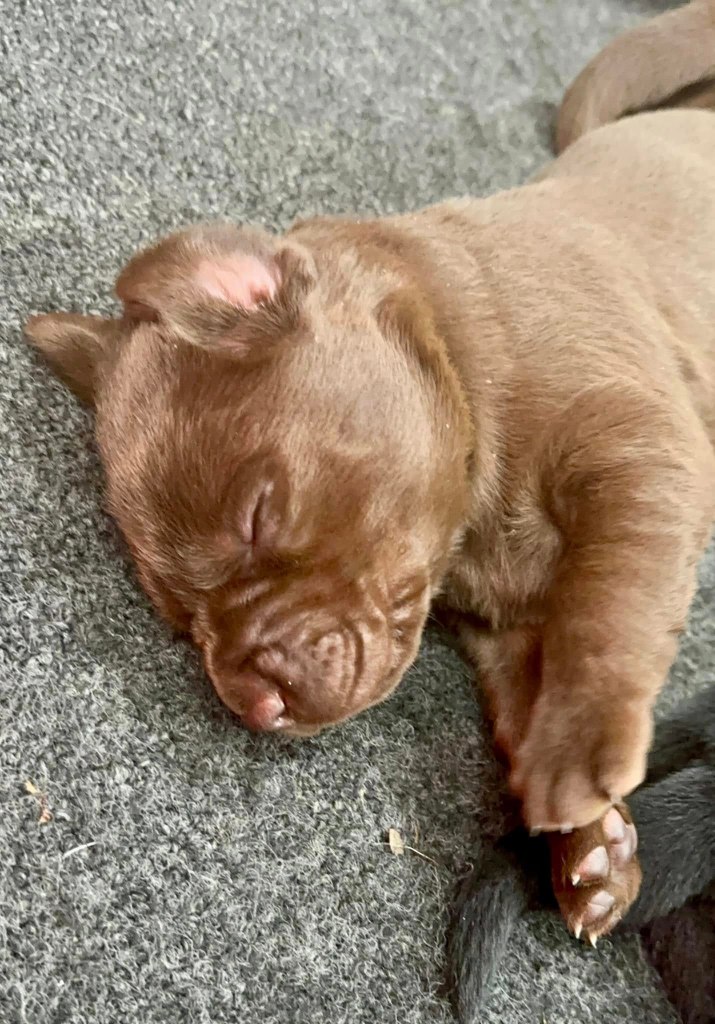
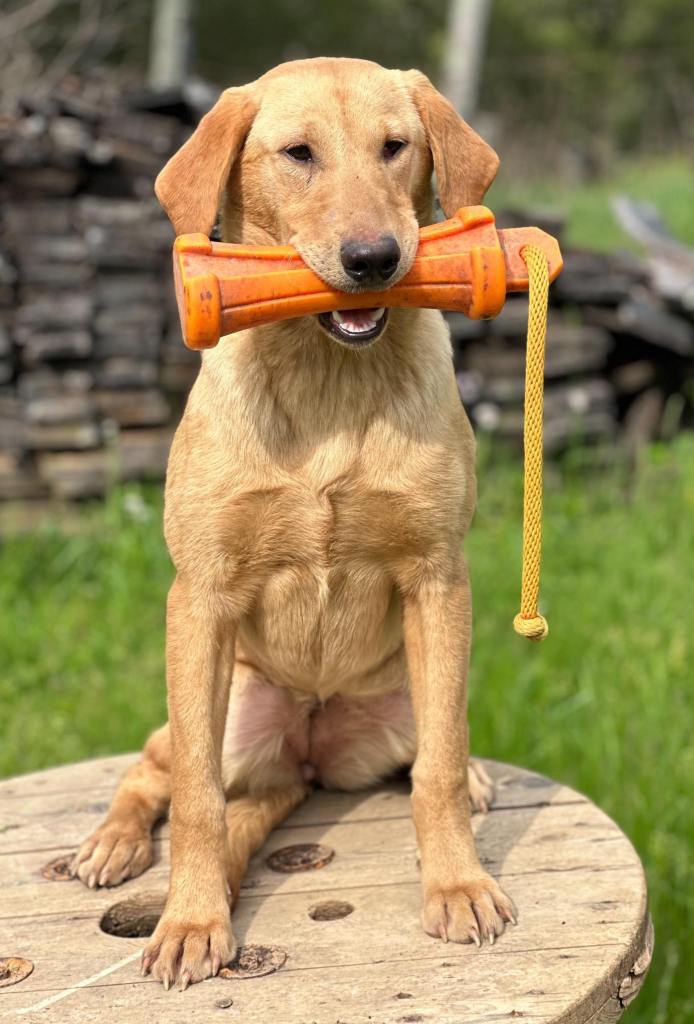
The 2nd Earl of Malmesbury, 10th Earl of Home, the 6th Duke of Buccleuch, and Lord John Scott procured some fine specimens of St. John’s Water dogs to use as gundogs on their estates. These gentlemen enjoyed waterfowl hunting and these dogs were perfect for retrieving their quarry. As with most avid outdoorsmen and land stewards, they appreciated the necessity for good genetics and understood how breeding certain qualities together would give you the best chance for progeny that could perform and adapt to the tasks required of them. In Britian at this time, hunting was a way of life for most everyone, from the humblest farmer, to the gentry who were given their land based soley on being the first born male in their line. They knew that in order for a dog to be able to hunt, it needed to be bred in a certain way for these qualities to shine. At this point in history, some of the finest hunting dogs in the world were being reared in Europe, but mostly for what we would consider upland hunting and driven hunts, where birds were flushed in a certain direction, back towards the waiting guns to be shot. What we would know as Pointer, Setter and Spaniel type dogs were developed for these types of hunts. These dogs shone brightly on dry land, but failed when it came to muddy, wet and cold conditions. The St. John’s Water dog was gaining popularity for its work in the water, but it’s thicker, slightly longer coat did not make it an ideal candidate for these driven hunts, where the briars and brambles could be thick. They were out tasked on land by the sleeker hunting dogs that had been bred for this purpose for generations. A well-rounded dog was wanted who could perform on the land as well as in the cold water. The most logical thing to do to achieve this was to breed the best water hunter with the best land hunter, and that’s exactly what they did.
The 2nd Earl of Malmesbury gifted a breeding pair of dogs with mixed heritage, containing St John’s Water Dog and some of his finest hunting dogs, to the 6th Duke of Buccleuch. These dogs were known as Buccleuch Avon and Buccleuch Ned and can be considered, along with Malmesbury Tramp and Malmesbury June can be considered the foundation dogs for our beloved Labrador Retriever breed. The dogs developed with these genetics were sleeker in coat, but still possessed a double coat in most cases to help with insulation from the cold water, but gave ease to hunt through the brambles and thick brush of the English countryside. They had drive to hunt for and flush birds, but brains to biddable enough to work with. They were born with soft mouths so as not to destroy the delicate birds and small fur animals they were tasks with picking up and had happy personalities that made them great family and farm companions when not working. If the dog did not have these qualities, they were not used in the breeding program. These dogs were bred as working animals, no different than livestock bred for food, where the animals with the best qualities were saved as breeding stock and the others were culled to not produce.

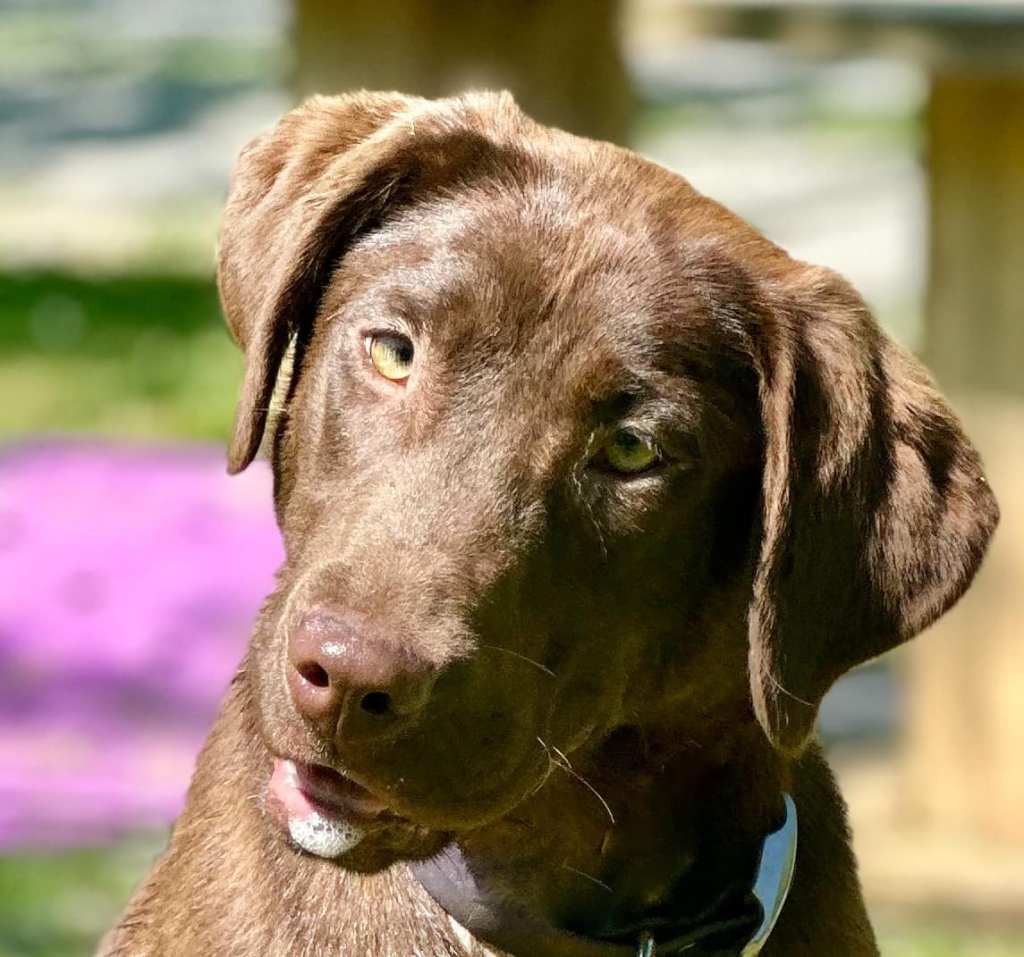
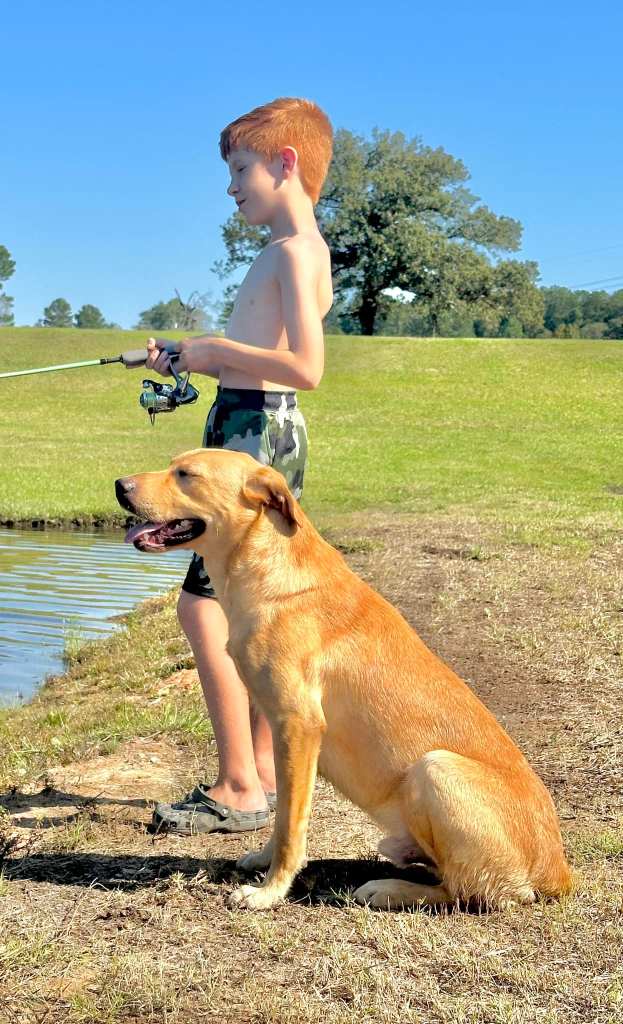
Around the 1870’s, the Labrador Retriever had gained enough popularity to be recognizable in most hunting conversations. The Royal Kennel Club gave them their own distinct breeding registry in 1903 and 14 years later, in 1927, the American Kennel Club followed suit. The founding fathers of our breed gave a nod to the Labrador Region of Canada when naming their creation. There was already a Newfoundland Breed, so they went with a close cousin in Labrador. In October of 1931, the parent organization known as the Labrador Retriever Club Of America found its roots in New York and has been setting the breed standard and protecting heritage breed ever since. Their goal is to preserve the lab as a working dog and promote its multipurpose nature as well as to host shows where these qualities are showcased. They also educate the public and ensure that diseases and hereditary complications are researched and through proper breeding practices, not continued to be kept in these lines.
Through the Labrador Retriever Club, we get our breed standard. The lab is described as a medium sized athletic dog who is strongly built to be able to work in the field as a gun dog. They need to be sound for waterfowl and upland hunting in difficult conditions, but also the characteristics to compete in the show ring and be a member of the family. Basically, an all-around dog. They should have a short, dense coat that repels water like a duck, and a tail that is shorter and thick, much like that of an otter. Pure bred labs have kind eyes and exude intelligence and a stable temperament. If the dog does not have these characteristics, they should not be used in the breeding pool. They are first and foremost a gun dog, but when bred properly, these qualities that make them excel in the field will enable them to be the perfect family member. Dogs who are born lacking the breed standard or who lack pigment in their nose or around their eyes, or who are any color other than black, chocolate, or on the yellow spectrum are disqualified from being able to add to newer generations. While solid colors are the standard, small variations are tolerated, such as white spots on the backside of a paw. These are called Bolo marks, giving credit to a dog named Bolo who was known for throwing offspring with these marks. In reality, these marks are probably leftovers from the St. John’s Water dog who was known for their white accents.
Henry Ford said it best in my opinion, when he said, “You can have any color you want, so long as it’s black!”. He was making the comment when people asked him to produce his cars in a color other than black. He was a traditionalist, and when it comes to labs, I am to! But don’t tar and feather me so quickly. My opinion comes mainly from always trying to find the best specimen for my kennel and clients, Black is the dominant color in this breed, so in a numbers game, you have the highest probability of getting the right dog when you go with that color. Now, with that being said, I am not going to turn down a well-bred yellow or chocolate dog! But when I start looking for a dog, my preference is when I can buy black.
This brings us into a bit of a dark spot in their history. While the St. John’s Water Dog was predominantly black with small white markings (they also came in a very limited liver color), you must remember that on the other side of this were mixed bred hunting dogs who came in variations of black, white, yellow, and liver (or chocolate, depending on who you’re talking to). Originally, when breeders were breeding for pure lines, only black puppies were desirable. Anything that came out other than pure black was culled. So, for a very long, you only had one options, just like at the original Ford Dealerships! Breeders were afraid that if they produced any color other than black, they could be accused of producing puppies of mixed parentage. When in reality, black is the dominant color in more than 50% of the foundation dogs, however yellow and chocolate were recessive traits and still possible in pure bred dogs. Try as they might, these original breeders couldn’t completely eradicate yellow and chocolate from labs, and in 1899, Ben of Hyde became the first yellow lab on record. Soon after, chocolates became acceptable as well, giving us the three colors we recognize today.
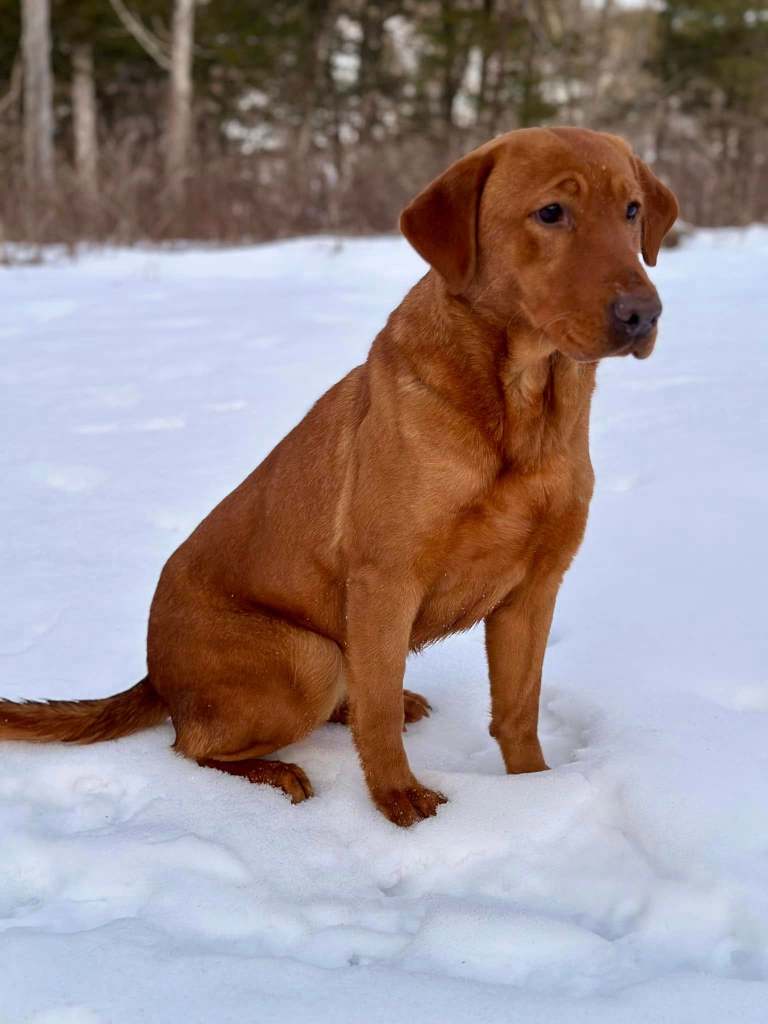
Things can get a little hairy with the chocolates and yellows in the variations in which they come. (See what I did there with hairy and coat! Hahaha!) In the United States, today, most of our yellows are a slightly golden blonde color, but in Europe, their yellows are a dark color, almost red. So, for the breed standard they can be a somewhere on the spectrum of a light yellow to what is called dark yellow, but we also call fox red. It’s the same with the chocolates. Not many chocolates are seen Europe, but they have some popularity in the United States and can vary in color from a lighter brown (liver if you will) to a dark, rich brown that almost looks black in certain lights. I like to call it milk and dark chocolate, but that gives away my love of sweets!
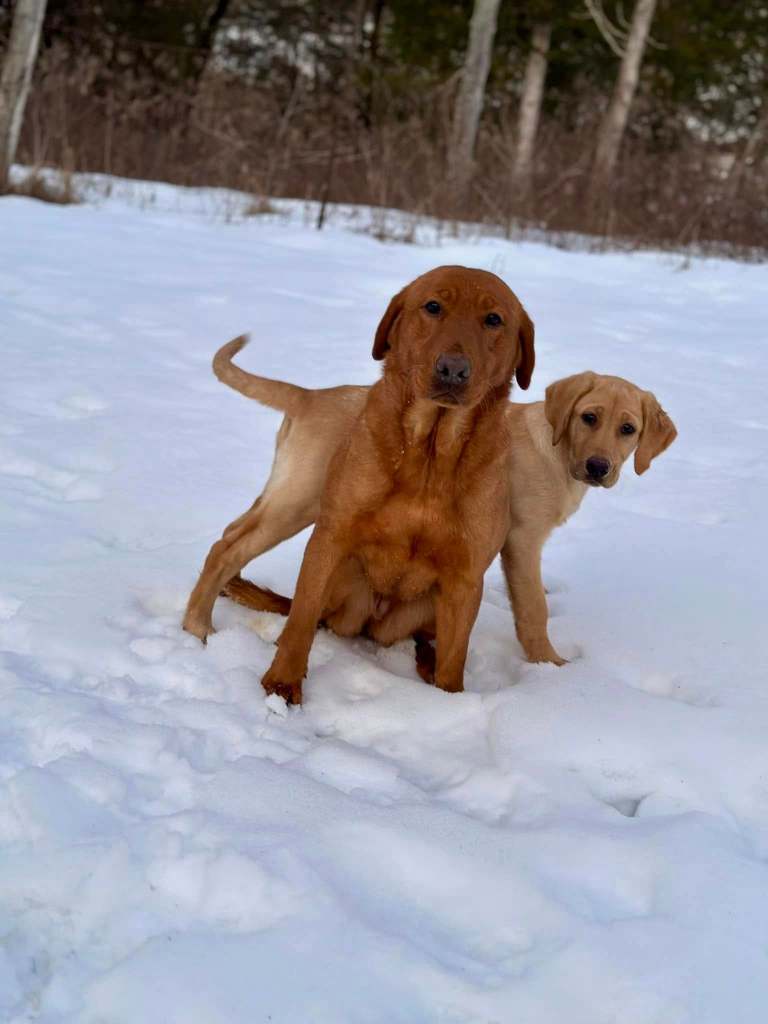
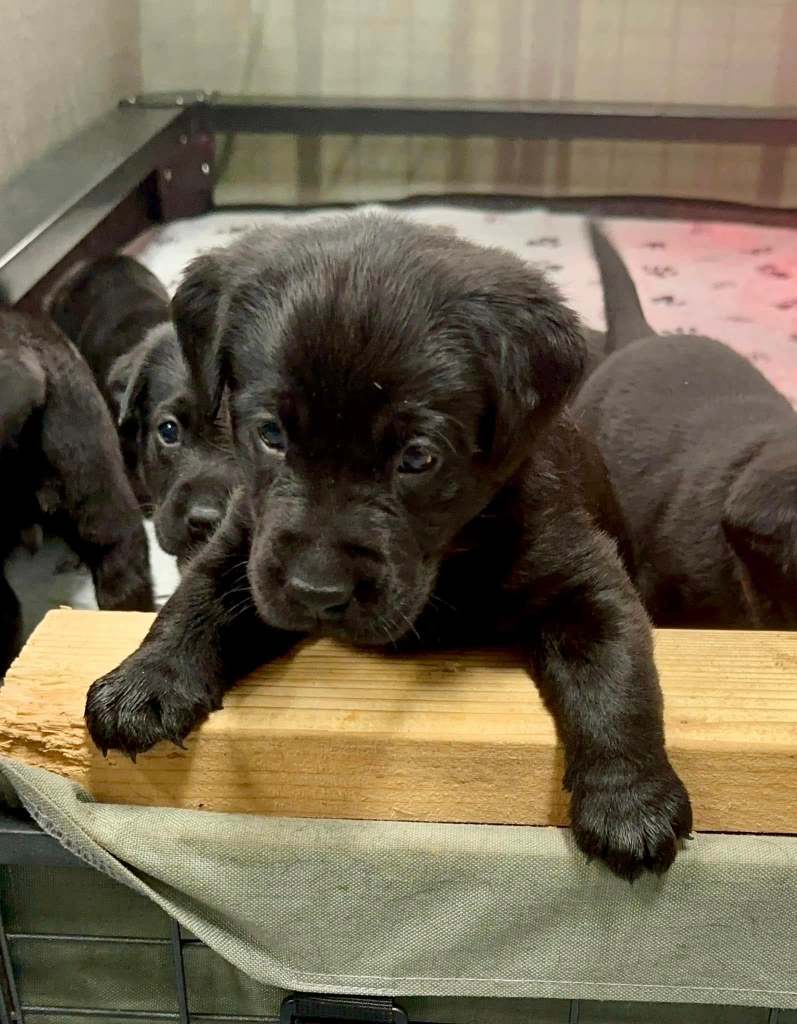
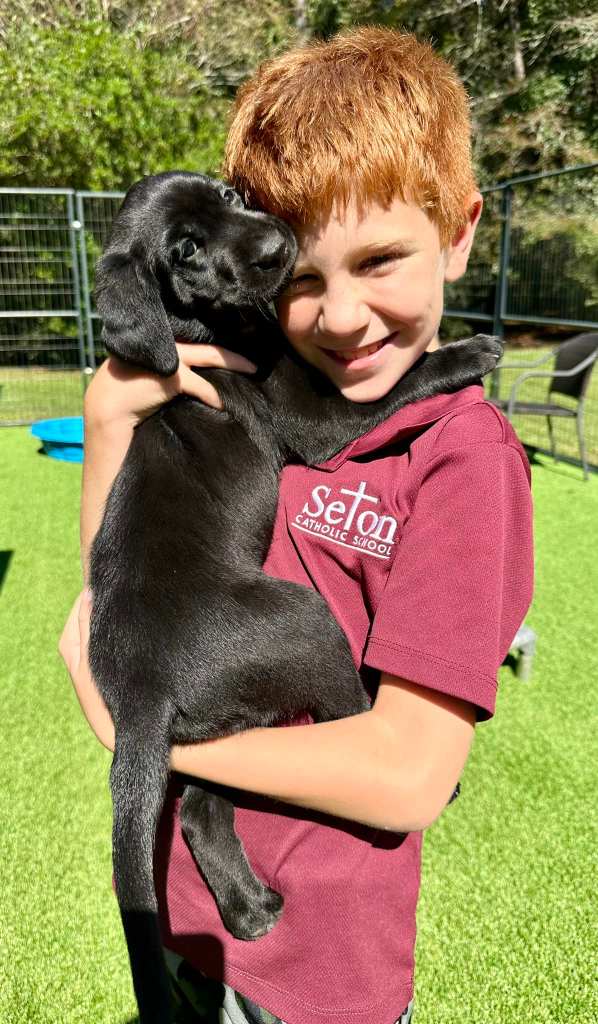
The genetics in this can get very confusing on how certain colors are obtained. Technically, we should not breed these dogs purely based on colors produced and they should be bred for other characteristics first. Market demand has unfortunately made color one of the first qualities breeders look in to in many cases. But that doesn’t make it any less interesting. Since black is the dominant color, it is very easy to achieve. Yellow being recessive can be achieved with certain practices and chocolate, even more rare and a variation is a little more difficult to achieve. Now, do you understand my preference for black labs a little better? When we start breeding for color, other qualities get put by the wayside. I am interested in the best possible working and family dog I can get my hands on and color doesn’t matter (as long as it’s one of the three recognized colors). Black labs give me the best odds of getting that. But, fun fact, if you breed two yellow labs together (it doesn’t matter what their genes look like or if they are black or chocolate factored) you will only get yellow puppies. But, if you breed two black labs together who are yellow factored, you can get a litter of blacks and yellows. Even more complicated still, is if you breed tri-factored dogs together (meaning they carry genes for black, yellow, and chocolate), you can get a litter representing all three colors. But again, when we start looking for color first, we end up breeding two dogs together who may not have compatible traits to produce working dogs who are also family companions.
And now I’ll get off my Labrador Genetic soapbox and talk more about the things that I love about a well-bred one! Being bred for field work and family companions over the last however many years has teed the labrador up to be one of the most all around and popular dogs in the world. There are very few fields where these dogs won’t excel. They are one of the most versatile hunting dogs in the world. They can go from land to water seamlessly and will flush and retrieve anything with feathers or fur. They are members of just about every military and police branch in more countries than I can count and are first responders when humans are endangered and need to be recovered. They save lives on the daily as service dogs in so many different facets, it’s mind boggling and comfort people of any age as companions and family members. While there are a few jobs that other breeds are more well equipped for, it can be said that in most cases, it’s hard to beat a lab. And for this reason, year after year, they are a top contender (if not the number one dog) as one of the most popular breeds. Those of us who love the breed, give it everything we have to preserve it’s history and makeup, so that future generations can enjoy them in the same amazing ways that we do!
I hope you have the Best Day of Your Life and come back soon! I’m not sure what we’ll be covering, but I can promise you, there’s a pretty good chance it will be entertaining at the very least!
 Best Day of My Life
Leave a comment